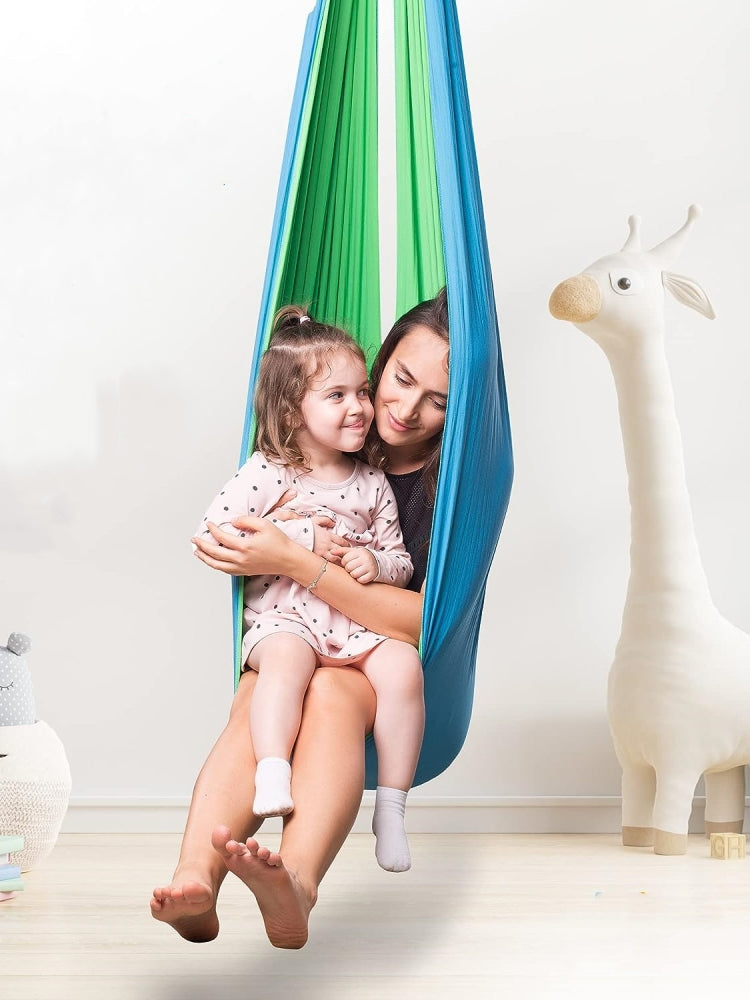
For children with sensory processing needs, ADHD, or autism, a sensory swing is more than just a toy—it is a sanctuary. It provides the essential vestibular input needed to calm a dysregulated nervous system, improve focus, and offer a sense of security.
However, with so many options available, from cocoon-like pods to stretchy 360-degree wraps, how do you choose the right one? In this guide, we’ll break down everything you need to know to find the perfect fit for your home and your child.
1. Understand the Sensory Benefits
Before picking a style, it’s important to know what your child craves:
-
Vestibular Input: The movement of swinging helps the brain understand where the body is in space.
-
Proprioceptive Pressure: Stretchy swings provide a "hug" sensation (deep pressure), which triggers the release of serotonin and dopamine.
-
A "Safe Harbor": Swings like the PodSwing create a physical boundary that helps children feel shielded from overwhelming environmental stimuli.
2. Types of Sensory Swings
The PodSwing (The Cocoon)
-
Best For: Reading, relaxing, and "hiding."
-
The Experience: Features a soft inflatable cushion at the bottom and enclosed sides. It’s perfect for children who get overstimulated and need a quiet place to retreat.
The 360° Compression Swing (The Wrap)
-
Best For: Active sensory seekers.
-
The Experience: Made of high-quality nylon or Lycra, this swing stretches with the child’s body. It allows for spinning, swinging, and even standing, providing intense deep-pressure input.
The Platform Swing
-
Best For: Balance training and therapy.
-
The Experience: A flat, solid base that allows children to sit, lay on their tummies, or stand. Great for more structured therapeutic play.
3. Key Factors to Consider
A. Safety & Weight Capacity Always check the maximum weight limit. At SensoryEase, our swings are designed with heavy-duty reinforced stitching to ensure safety for both toddlers and older children.
B. Material & Durability Look for breathable, machine-washable fabrics. Sensory swings get a lot of love, which means they’ll eventually need a wash! High-quality nylon is ideal for its strength and "rebound" ability.
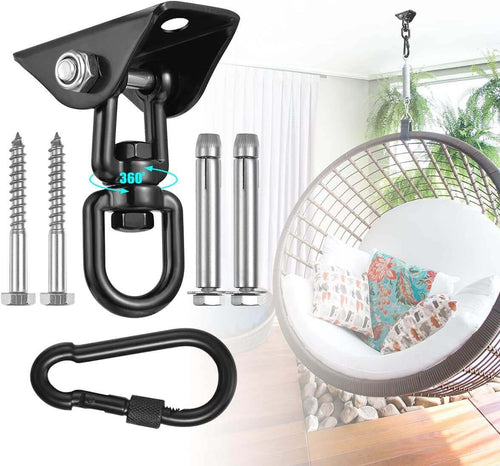
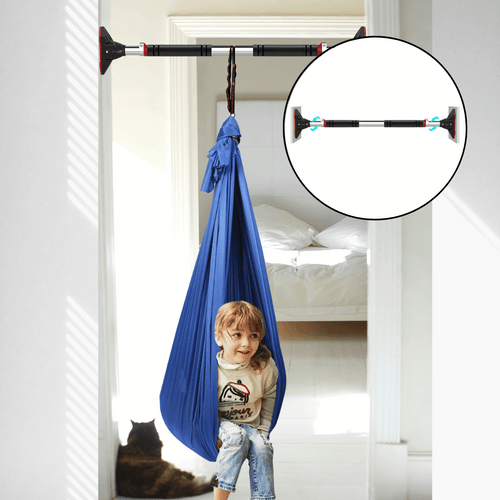
C. Installation Space Do you have a sturdy ceiling beam or a dedicated swing stand? Ensure you have at least 2-3 feet of clear space around the swing to prevent any bumps into walls or furniture.
4. How to Introduce the Swing to Your Child
Some children may be hesitant at first. Follow these tips:
-
Don’t Force It: Let them explore the fabric with their hands first.
-
Add Familiar Items: Place their favorite pillow or stuffed animal inside the PodSwing.
-
Low and Slow: Start with the swing hung close to the ground and move it gently.
Final Thoughts
Choosing the right sensory swing can be a life-changing addition to your child’s daily routine. Whether they need a high-energy outlet for spinning or a cozy corner for calming down, there is a perfect swing out there.
Ready to find your child's new favorite spot? [Explore the SensoryEase Swing Collection here!]